Pregnancy is a time of remarkable transformation and anticipation. As you embark on this journey, your well-being and that of your growing baby become your top priority. Nutrition plays a critical role in supporting a healthy pregnancy. Therefore, understanding which foods to avoid is just as important as knowing what to include in your diet. Let’s explore a comprehensive guide to the foods you should steer clear of during pregnancy to ensure a smooth and safe experience for both you and your little one.
Raw or Undercooked Meats
Raw or undercooked meats, poultry, and seafood pose a risk of bacterial infections like salmonella, E. coli, and listeria. These infections can lead to severe complications for you and your baby. Therefore, it is important to cook meats thoroughly until they reach a safe internal temperature to eliminate any potential pathogens.
Raw or undercooked seafood
Raw seafood is more likely to contain parasites or bacteria than fully cooked fish. Therefore, these should be avoided while pregnant.
Examples of raw seafood to avoid: sushi, oysters and clams, and mussels.
Cook fish to an internal temperature of 145 F (63 C).
High-Mercury Fish
Certain types of fish, particularly those high in mercury, should be consumed sparingly or avoided altogether. Mercury can impair the baby’s developing nervous system.
Fish to avoid: shark, swordfish, king mackerel, and tilefish are known to have high mercury levels.
Alternatives to consider:
- Herring
- Light canned tuna
- Salmon
- Sardines
- Tilapia
- Trout
Unpasteurized Dairy Products
Unpasteurized dairy products, including soft cheeses like feta, Brie, and Camembert, can carry harmful bacteria, such as listeria. Listeria infection during pregnancy can lead to miscarriage, preterm birth, or serious health issues for the baby. Stick to pasteurized versions of dairy products to minimize the risk of infection.
Raw Eggs and Foods with Raw Eggs
Consuming raw or undercooked eggs increases the risk of salmonella contamination, which can cause vomiting and diarrhea, possiblyeven leading to severe illness during pregnancy.
Avoid dishes such as homemade mayonnaise, caesar dressings, and raw cookie dough that contain raw eggs.
Excessive Caffeine
If you’re a heavy coffee or tea drinker, it’s a good idea to reduce the amount you consume while pregnant. Caffeine is a stimulant; although our bodies can break it down, babies do not have the same capabilities when it crosses the placenta. Furthermore, caffeine can also play a role in increasing your blood pressure. Research suggests that moderate caffeine consumption (less than 200 milligrams per day) is okay. Therefore, where possible, try to stick to this limit.
High-Sugar and Low-Nutrition Foods
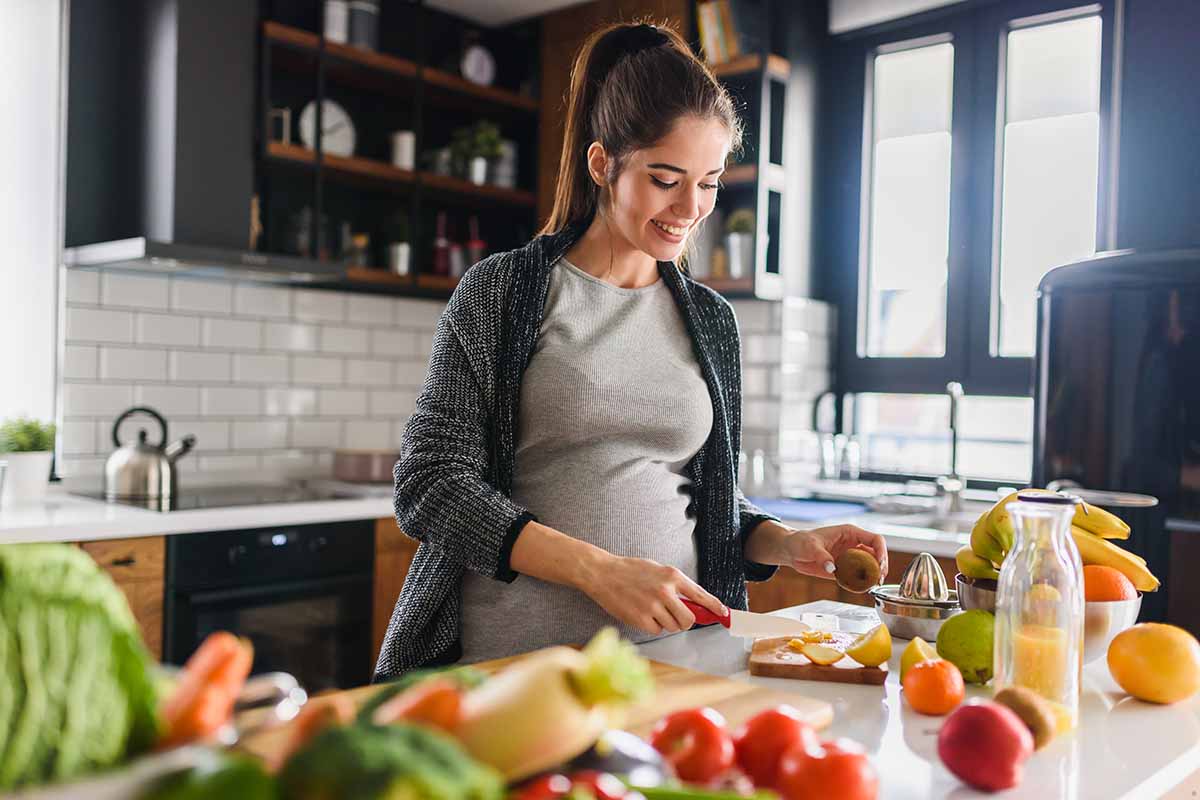
A balanced and nutrient-rich diet is essential during pregnancy. Highly processed foods that have a high sugar content provide little nutritional value and can contribute to excessive weight gain. Choose whole foods rich in vitamins, minerals, fiber, and other essential nutrients to support both your health and the baby’s growth.
Unwashed Produce
Fruits and vegetables are vital components of a healthy diet. However, they should be thoroughly washed before consumption to remove pesticides, dirt, and contaminants. Proper washing reduces the risk of exposure to harmful substances and ensures the safety of your food.
Deli Meats
Deli meats often contain preservatives, additives, and nitrates that may not align with your pregnancy goals. Furthermore, deli meats carry an increased risk of food poisoning. For this reason, it is advised that pregnant women avoid items such as cold cured meats like salami, pepperoni, chorizo, and prosciutto (unless cooked thoroughly).
High-Intensity Sweeteners
While many low-calorie sweeteners are considered safe during pregnancy, some studies suggest that consuming high amounts of high-intensity sweeteners might impact fetal metabolism. Consuming these sweeteners in moderation is advisable and you should consult your healthcare provider for guidance.
Tips on general nutrition while pregnant
Here are some tips on general nutrition while pregnant:
- Speak to your doctor about any concerns around nutrition, weight gain, or healthy eating.
- Take prenatal vitamins as soon as possible, ideally while still trying to conceive.
- For women with other existing medical issues such as diabetes, Crohn’s disease, or epilepsy, make an appointment to speak to your doctor about more specialized nutrition tips. In some cases, a consultation with a nutritionist may be appropriate to help determine what a healthy and balanced pregnancy diet looks like for you personally.
- If you are traveling while pregnant, be particularly mindful of what you are eating. The same standards of food safety are not always maintained across different countries.
As you embark on the pregnancy journey, prioritizing your nutrition is key to a healthy experience for both you and your baby. Understanding which foods to avoid empowers you to make informed choices that support the well-being of your growing family. Embrace a diet rich in whole, nutrient-dense foods while avoiding potential hazards. Consult your healthcare provider for personalized dietary recommendations and enjoy the journey of nurturing yourself and your baby throughout this incredible time.