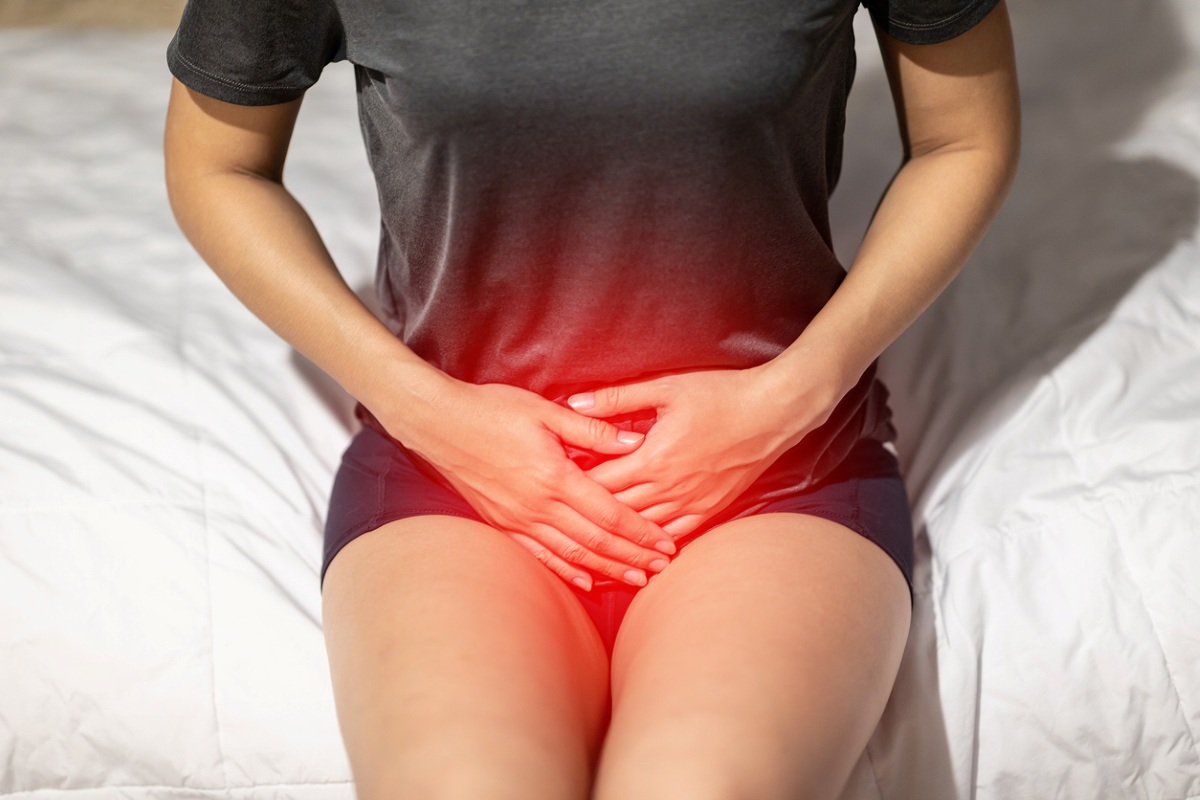
Pelvic pain is something many women experience from time to time, often related to menstruation, ovulation, or other temporary conditions. But when that pain becomes persistent, lasting six months or longer, it’s considered chronic pelvic pain: a condition that can affect physical health, emotional well-being, and quality of life.
What Is Chronic Pelvic Pain?
Chronic pelvic pain is defined as pain in the lower abdomen or pelvic area that lasts six months or more. The discomfort can vary in intensity, come and go, or feel constant. It may occur only during certain activities, like exercise, urination, or sexual intercourse, or it may be present regardless of what you’re doing.
This kind of pain is often complex. Sometimes there is an identifiable medical cause, but other times the exact source remains unclear. What we do know is that chronic pelvic pain is a legitimate medical condition, and you don’t have to live with it in silence.
Common Causes of Chronic Pelvic Pain
There isn’t a single cause of chronic pelvic pain. In many cases, multiple factors may be contributing at once. Understanding the potential causes is the first step toward effective treatment.
Gynecologic Conditions
- Endometriosis: This condition occurs when tissue similar to the lining of the uterus grows outside the uterus, often causing pain, especially during menstruation or intercourse.
- Pelvic inflammatory disease (PID): A bacterial infection that affects the reproductive organs, often linked to untreated sexually transmitted infections (STIs).
- Ovarian cysts or fibroids: These growths can press on other organs or cause painful pressure in the pelvis.
- Adenomyosis: A condition where endometrial tissue grows into the muscular wall of the uterus.
Urologic and Gastrointestinal Disorders
- Interstitial cystitis (painful bladder syndrome): Causes bladder pressure, frequent urination, and pelvic discomfort.
- Irritable bowel syndrome (IBS): A gastrointestinal disorder that can contribute to pelvic discomfort, bloating, and changes in bowel habits.
- Urinary tract infections (UTIs): Recurrent infections can lead to lingering discomfort in the pelvic region.
Musculoskeletal or Nerve-Related Pain
- Pelvic floor dysfunction: Muscle tension or spasm in the pelvic floor can cause pain during sitting, movement, or sex.
- Nerve entrapment or irritation: Nerves in the pelvic region can become compressed or inflamed, leading to ongoing pain.
Psychological Factors
Mental health plays a major role in how we experience and manage pain. Conditions like anxiety, depression, or past trauma may not cause chronic pelvic pain directly, but they can influence how pain is felt and processed. Treating emotional health can be just as important as treating physical symptoms.
When to Seek Help
Some women assume that pelvic pain is just a part of life, especially if it coincides with their menstrual cycle. But persistent or severe pain is never something you should ignore.
You should talk with a provider if:
- Your pelvic pain lasts longer than a few months
- The pain is interfering with your daily activities
- You experience pain during or after sex
- You have abnormal vaginal bleeding or discharge
- You have difficulty urinating or frequent UTIs
- Your pain worsens over time
At Complete Care, we offer a supportive environment where you can discuss your symptoms openly and without judgment. We know how important it is to be heard, and to have a provider who works with you to find answers.
Diagnosis: Getting to the Root Cause
Because chronic pelvic pain can stem from many different sources, the diagnostic process may involve several steps. At Complete Care, we begin by listening to your symptoms and taking a full medical history. From there, we may recommend:
- Pelvic exam: To check for signs of infection, tenderness, or abnormal growths.
- Ultrasound imaging: To look for fibroids, cysts, or other structural changes.
- Lab tests: To check for infections or hormonal imbalances.
- Laparoscopy: In some cases, a minimally invasive surgical procedure may be needed to confirm conditions like endometriosis.
Our approach is comprehensive and collaborative. We work closely with each patient to uncover potential causes and create a personalized plan for relief.
Treatment Options for Chronic Pelvic Pain
There is no one-size-fits-all solution for chronic pelvic pain. Treatment depends on the cause of your symptoms, your medical history, and your goals for care. At Complete Care, we offer a range of options to help you manage pain and improve your overall well-being and quality of life.
Medication
- Hormonal therapy: Birth control pills, hormone-releasing IUDs, or injections can help treat pain related to menstruation or endometriosis.
- Pain relievers: Over-the-counter or prescription medications may be used to control inflammation or nerve pain.
- Antibiotics: If an infection like PID is present, antibiotics are often the first line of treatment.
Minimally Invasive Surgery
If conditions like endometriosis or ovarian cysts are contributing to your pain, surgical options may be recommended. Our team offers minimally invasive gynecologic surgery, which allows for quicker recovery and less scarring compared to traditional surgery.
Physical Therapy
Pelvic floor physical therapy can help relax tight muscles, improve posture, and reduce pressure on nerves. This can be particularly helpful for pain caused by muscle dysfunction or nerve irritation.
Lifestyle and Nutritional Counseling
Changes in diet, stress management, and exercise habits can have a big impact on pelvic pain, especially when conditions like IBS or bladder pain syndrome are involved. We work with you to develop sustainable habits that support your health.
Mental Health Support
Counseling or therapy may be recommended as part of a comprehensive care plan, particularly if emotional stress or trauma plays a role in your experience of pain.
Living with Chronic Pelvic Pain
Chronic pelvic pain can be frustrating, but you are not alone. Many women suffer in silence for years before seeking care, believing they just have to put up with the pain. We’re here to change that narrative.
At Complete Care, we believe in treating the whole person, not just the symptoms. Whether your pain is new or has been with you for years, we’ll listen to your story, work to find the cause, and offer treatment options that fit your life.
Take the First Step Toward Relief
If pelvic pain is interfering with your life, you don’t have to manage it alone. Our team is here to provide answers, support, and a personalized approach to care.
Talk with your provider at Complete Care OB/GYN about your symptoms. Schedule an appointment today and take the first step toward lasting relief.