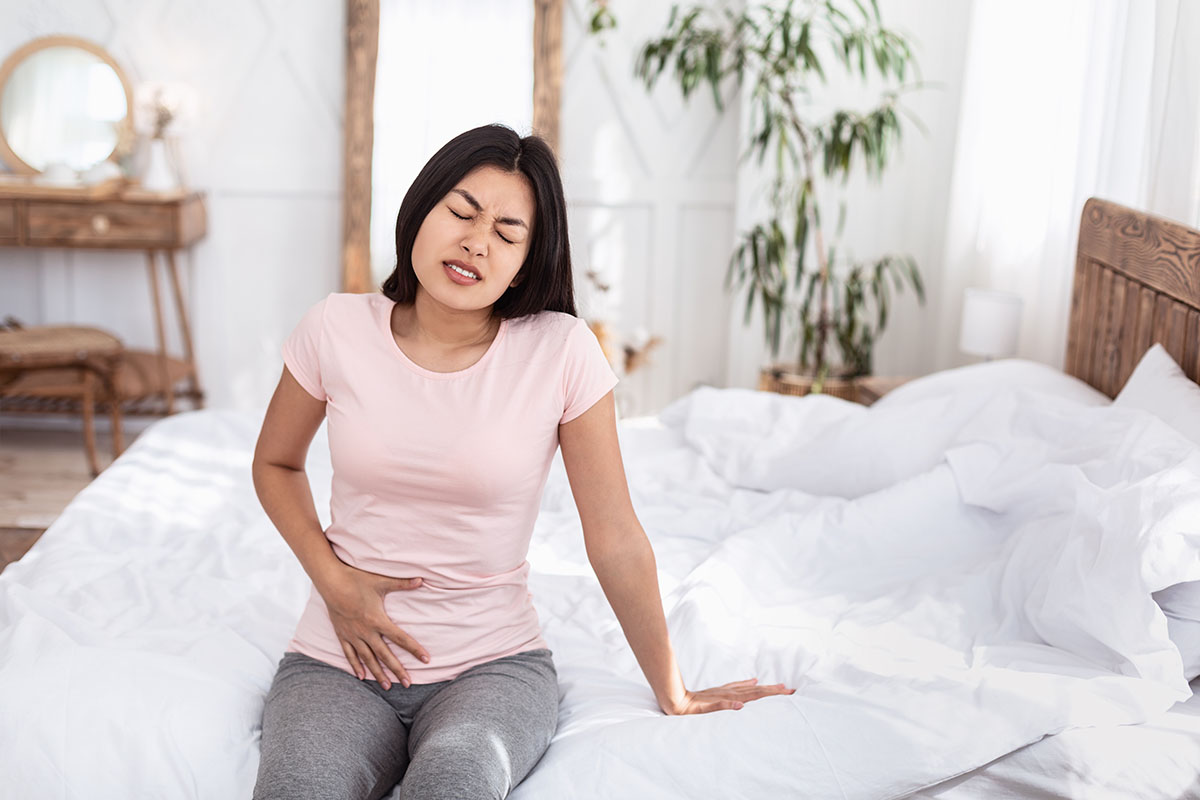
Navigating the realm of menstrual health isn’t always easy or straight forward. Periods can be regular, erratic, light, heavy or painful. The nature of your period can also change with time, age, stress levels, the presence of a rigorous exercise routine, the foods you eat and many other factors. Therefore, for this reason, it is not always easy to figure out what is going on with your period. This is especially true for periods that are painful or cause discomfort.
What Causes Painful Periods?
For many women, painful periods or menstrual cramps (also known as dysmenorrhea), are an unfortunate but common part of their menstrual cycle. These cramps occur when the uterus contracts to help expel its lining. Hormone-like substances called prostaglandins trigger these contractions, which can vary in intensity from mild to severe. Prostaglandins cause muscle contractions in the uterus, which can trigger pain and decrease blood flow and oxygen to the uterus
In general, the common causes of a painful period include:
- Uterine Fibroids: These non-cancerous growths in the wall of the uterus can cause significant pain and heavier menstrual bleeding.
- Adenomyosis: This occurs when the tissue that lines the uterus begins to grow into the muscular walls of the uterus itself, causing pain, heavy bleeding and prolonged periods.
- Endometriosis: During a normal menstrual cycle, the lining of the uterus (endometrium) thickens and is shed. With endometriosis however, the shedding that occurs each month with menstruation causes pain, inflammation and scar tissue. This is why endometriosis is often associated with painful periods.
How Normal Is Your Period Pain?
It is important to know what’s typical for your body during menstruation and what might be a sign of something more serious. Menstrual cramps usually begin one to two days before the onset of a period and can range from mild to debilitating. The pain usually lasts 24 to 72 hours and is commonly felt in the lower abdomen or back. Periods can also be accompanied by nausea, headaches, dizziness and general malaise. Therefore, how do you spot the difference between normal period pain and endometriosis?
Identifying Endometriosis
A combination of factors may be used to help distinguish between normal period pain and endometriosis. This may include:
- Pain Timing: Unlike typical menstrual cramps that appear around the time of a period, endometriosis-related pain can occur at any time during the menstrual cycle.
- Intensity and Nature of Pain: If your menstrual pain is debilitating, affects your daily activities, or persists beyond your period, it might be a sign of endometriosis.
- Severity and Duration of Pain: The pain associated with endometriosis is often more severe than normal menstrual cramps and can last longer than the usual duration of a period.
- Other Symptoms: Endometriosis can also cause pain during intercourse, bowel movements and urination, as well as chronic lower back pain and intestinal problems.
- Family History: A family history of endometriosis can increase your chances of developing the condition, so it’s important to consider your family medical history when evaluating symptoms.
- Response to Painkillers: If your period pain doesn’t subside with typical over-the-counter medications, it might be due to endometriosis.
When to See Your Doctor
If you’re experiencing severe pain that disrupts your daily life, or if you notice any of the symptoms associated with endometriosis, it’s important to consult your doctor. They can perform tests, including an ultrasound and laparoscopy, to diagnose the condition accurately. Early diagnosis and treatment can help manage the symptoms and prevent long-term complications.
Understanding the differences between typical menstrual cramps and endometriosis can be the key to getting appropriate treatment and relieving pain. While menstrual pain is a common part of many women’s lives, excessive or abnormal pain should not be overlooked. By knowing what to watch for, you can take the necessary steps to ensure that your health and well-being are not compromised by undiagnosed conditions like endometriosis. If in doubt, always reach out to your doctor who can provide guidance based on your specific symptoms.