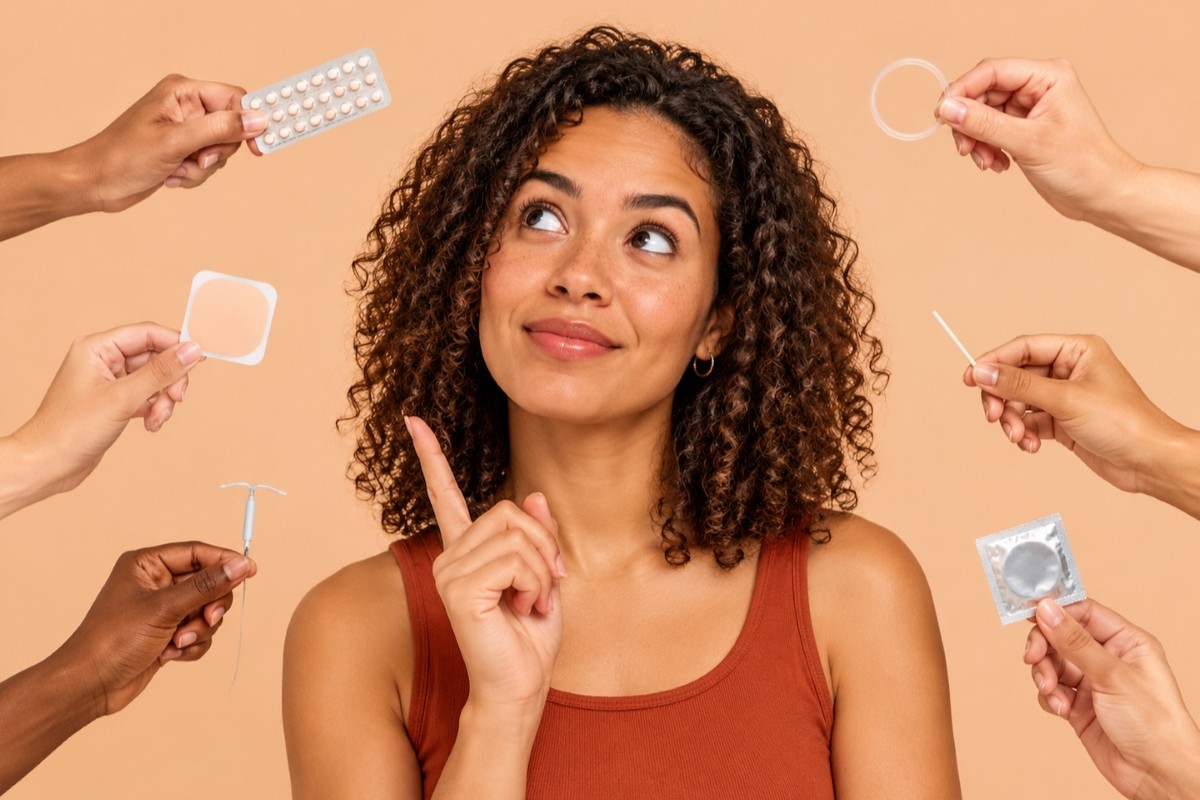
There is no single best birth control. Every method available today prevents pregnancy when used correctly, so the right one comes down to your plans for having children, how you feel about hormones, your health history, and what you are willing to remember to do. This guide can help you decide.
Start with your timeline: do you want kids soon, in a few years, or never?
Your answer narrows the field fast. If you might want a pregnancy within a year or two, choose a method that stops working when you stop the birth control: the pill, patch, ring, condoms, or an IUD that can be removed at any visit.
If children are several years away, a long-acting method saves daily effort. A hormonal IUD lasts 3 to 8 years depending on the type, a copper IUD up to 10, and the arm implant (Nexplanon) about 3 years. All can be removed early if plans change.
If you are done having children or certain you do not want them, permanent options are worth a conversation. For women this means tubal ligation or removal of the fallopian tubes; for male partners, a vasectomy, which is a simpler procedure.
Hormonal or non-hormonal birth control: which is right for you?
Hormonal methods use progestin alone or progestin with estrogen, and they often make periods lighter and more predictable. Combination methods with estrogen (most pills, the patch, the ring) are not recommended if you smoke and are over 35, have migraine with aura, have had a blood clot, or have uncontrolled high blood pressure. Progestin-only methods, including the hormonal IUD, implant, shot, and mini-pill, avoid those estrogen risks and are an option for most people who cannot take estrogen.
Non-hormonal methods include the copper IUD, condoms, diaphragms, spermicide, and fertility awareness. The copper IUD is the only non-hormonal method that is both highly effective and long-acting. Its main tradeoff is that it can make periods heavier or crampier, especially in the first months. Our earlier post on choosing the right birth control compares these methods side by side.
Best birth control for heavy periods, acne, or perimenopause
Birth control can treat problems beyond pregnancy prevention. For heavy periods, the hormonal IUD is one of the most effective choices and often reduces bleeding dramatically. Combined pills, the patch, and the ring also lighten and regulate periods. For acne, combined pills that contain estrogen tend to help; progestin-only methods sometimes make acne worse.
In perimenopause, birth control does double duty. It prevents pregnancy, which is still possible until menopause, and it can smooth out the irregular, heavy periods and some of the hot flashes that come with changing hormones. Which method fits depends on your age and health history. Guidance here reflects current understanding and is worth revisiting at each annual visit.
Which birth control has the least side effects?
Side effects are personal. Spotting between periods is the most common complaint with hormonal methods and usually settles within 3 months. Some people notice mood changes, breast tenderness, or headaches. The shot (Depo-Provera) is the method most linked to weight gain, and it also delays the return of fertility longer than other options.
A few patterns can guide you:
- Lowest hormone exposure: the hormonal IUD, since the hormone acts mostly inside the uterus
- No hormones at all: the copper IUD or barrier methods
- Fewest things to remember: IUD, implant, or shot
- Easiest to stop on your own: pill, patch, ring, or condoms
What if I don’t like my birth control?
Switching birth control methods is normal and expected. Try a new method of birth control for about three months unless side effects are severe, because early spotting and mood changes often fade. If they do not, call us rather than quietly stopping, since a gap in coverage is how many unplanned pregnancies happen. Most methods can be switched without a break in protection when timed correctly, and your provider can tell you exactly how during contraceptive counseling.
How quickly can I get pregnant after stopping birth control?
For most methods, you can stop almost immediately. Fertility returns within days to weeks after removing an IUD or implant, or after stopping the pill, patch, or ring. There is no need to “clear” hormones first. The exception is the shot: it can take a year or more after the last injection for regular ovulation to return, so if you want to get pregnant within the next year, choose something else.
Finding the right birth control in Henderson
The right method is the one you will actually use and feel good about. Our board-certified providers offer the full range of contraception and will help you weigh your timeline, health history, and priorities without pressure toward any one option. If you are starting birth control, switching, or ready to talk about permanent options, schedule an appointment at Complete Care ObGyn in Henderson.