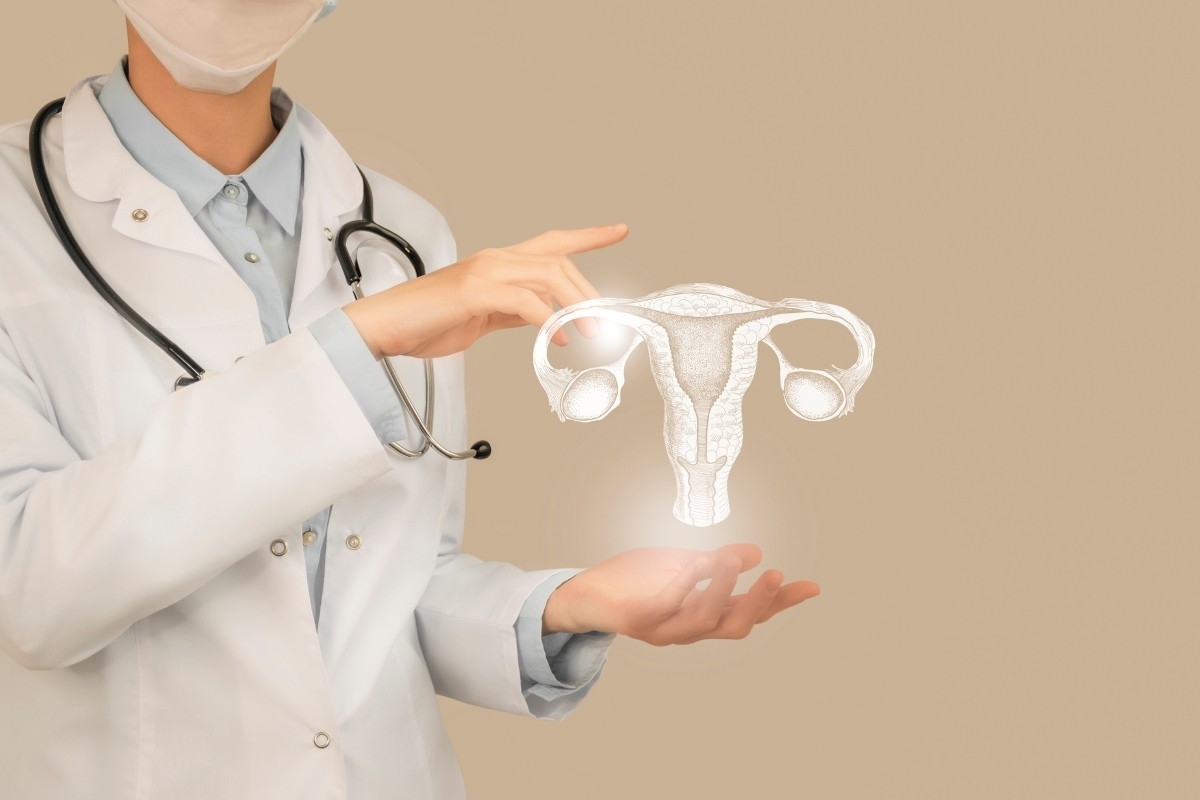
Egg freezing is a fertility preservation option that allows women to store their eggs at a younger age for possible use later in life. It does not pause or reverse the biological clock, but it can give women more flexibility when it comes to family planning. Whether you are focused on your career, waiting for the right partner, or managing a health condition, egg freezing is one way to keep future pregnancy options open.
Fertility naturally starts to decline around age 30, and the decline accelerates in the mid-30s, according to the American College of Obstetricians and Gynecologists (ACOG). That timeline is a big part of why so many women are exploring egg freezing earlier than they might expect, often as part of broader preconception counseling.
What Fertility Preservation Actually Means
Fertility preservation is a broad term for medical options that help protect your ability to have a biological child in the future. It is most commonly used by women facing medical treatments that could harm fertility, such as chemotherapy or pelvic radiation. But it is also used by women who want to delay pregnancy for personal reasons and want to plan ahead.
The two most common approaches are egg freezing and embryo freezing. Egg freezing, also called planned oocyte cryopreservation, involves stimulating the ovaries to produce multiple eggs, retrieving those eggs, and freezing them. The American Society for Reproductive Medicine (ASRM) considers planned egg freezing ethically appropriate, though they emphasize that patients should understand the uncertainties around long-term outcomes. Embryo freezing follows a similar process, but the eggs are fertilized with sperm before being frozen, and stored embryos are later used through IVF pregnancy care. Some women prefer egg freezing because it does not require decisions about a sperm source or embryo storage at the time of the procedure.
Who Should Think About Egg Freezing?
Egg freezing is not the right fit for everyone, but it is worth a conversation if pregnancy timing is uncertain and having a biological child is a priority for you. There are several situations where this conversation can be especially valuable.
Women who plan to delay pregnancy into their late 30s or beyond may benefit from preserving eggs while they are younger and may also want to learn more about pregnancy after 35. Women with a family history of early menopause or diminished ovarian reserve may also want to explore their options sooner rather than later. Conditions like endometriosis or polycystic ovarian syndrome (PCOS) can affect ovarian function over time, and women who may need ovarian surgery in the future could also be good candidates.
Women preparing for medical treatment that could reduce fertility, and women who simply want to give themselves more options down the road, may find that egg freezing offers peace of mind.
There is no single “right age” to freeze your eggs, but outcomes are generally better when eggs are frozen at a younger age because egg quality changes over time.
When to Start the Conversation
The best time to bring up fertility preservation is earlier than most women expect. That does not mean you need to freeze your eggs in your 20s, but it does mean you should understand your own fertility timeline early enough to make decisions without pressure.
A good rule of thumb is to start this conversation when you are actively thinking about delaying pregnancy past your early-to-mid 30s, or when you have symptoms or a diagnosis that could affect your reproductive health. ACOG has highlighted the importance of proactive counseling around ovarian-factor fertility decline, which supports the idea that early conversations lead to better planning.
What the Egg Freezing Process Looks Like
The egg freezing process is more structured and predictable than many women expect. It is typically completed within a few weeks.
It begins with a consultation and baseline testing, which usually includes an ultrasound of the ovaries and bloodwork to estimate ovarian reserve. These results help your care team predict how many eggs you might retrieve and whether more than one cycle of harvesting might be needed.
Next comes ovarian stimulation, where you take injectable medications for about 10 to 14 days to help multiple follicles develop. During this time, you come in for monitoring appointments so the team can adjust medications and plan the timing of retrieval.
Egg retrieval itself is a short procedure done under sedation. A clinician uses ultrasound guidance to collect eggs from the follicles. Most patients go home the same day and rest for a day or two. Mild cramping, bloating, and fatigue are normal during recovery.
After retrieval, the lab evaluates which eggs are mature and suitable for freezing. Mature eggs are frozen using a rapid technique called vitrification, which ASRM has noted can produce outcomes comparable to fresh eggs in certain settings.
Understanding Success Rates
This is the part of the conversation that can feel the most frustrating, because there is no single number that applies to everyone. Success with frozen eggs depends on several factors, especially the age at which eggs were frozen, how many mature eggs were stored, sperm quality, and overall reproductive health.
In general, younger eggs tend to have a better chance of producing a healthy embryo, and having more eggs stored tends to improve the chances of a future live birth. It is also important to know that success counts on more than just one step. It involves egg survival after thaw, fertilization, embryo development, and implantation. Some women may need more than one embryo transfer to achieve a pregnancy.
The CDC provides national assisted reproductive technology (ART) success rate data that can offer a broader context about how outcomes vary across age groups and treatment types.
Your Next Step Toward Fertility Planning
Fertility preservation is a personal decision, and there is no one-size-fits-all answer. For some women, egg freezing provides flexibility and peace of mind. For others, focusing on general reproductive health and timeline planning is the better path. Either way, the most important thing you can do is get accurate, individualized guidance early enough to keep your options open.
If you are thinking about delaying parenthood and want to learn more about your fertility options, schedule a visit with Complete Care OB/GYN. Your provider can review your health history, discuss your goals, and help you decide whether a referral to a fertility specialist for egg freezing or other preservation options makes sense for you.