When we think about women’s health, we often focus on reproductive care, menstrual cycles, and hormonal balance. But there’s another area that deserves just as much attention: bone health. Strong bones are essential for mobility, independence, and long-term wellness, especially as we age. Yet, millions of women are affected by bone loss each year, often without realizing it until a fracture occurs.
At Complete Care, we believe bone health is a vital part of whole-body wellness. In this article, we’ll explore why women are more susceptible to osteoporosis, what factors increase the risk, and the steps you can take, at any age, to protect your bones for the future.
Understanding Osteoporosis
Osteoporosis is a condition that weakens bones, making them fragile and more likely to break. It develops slowly over time and is often called a “silent disease” because most people don’t know they have it until they suffer a fracture.
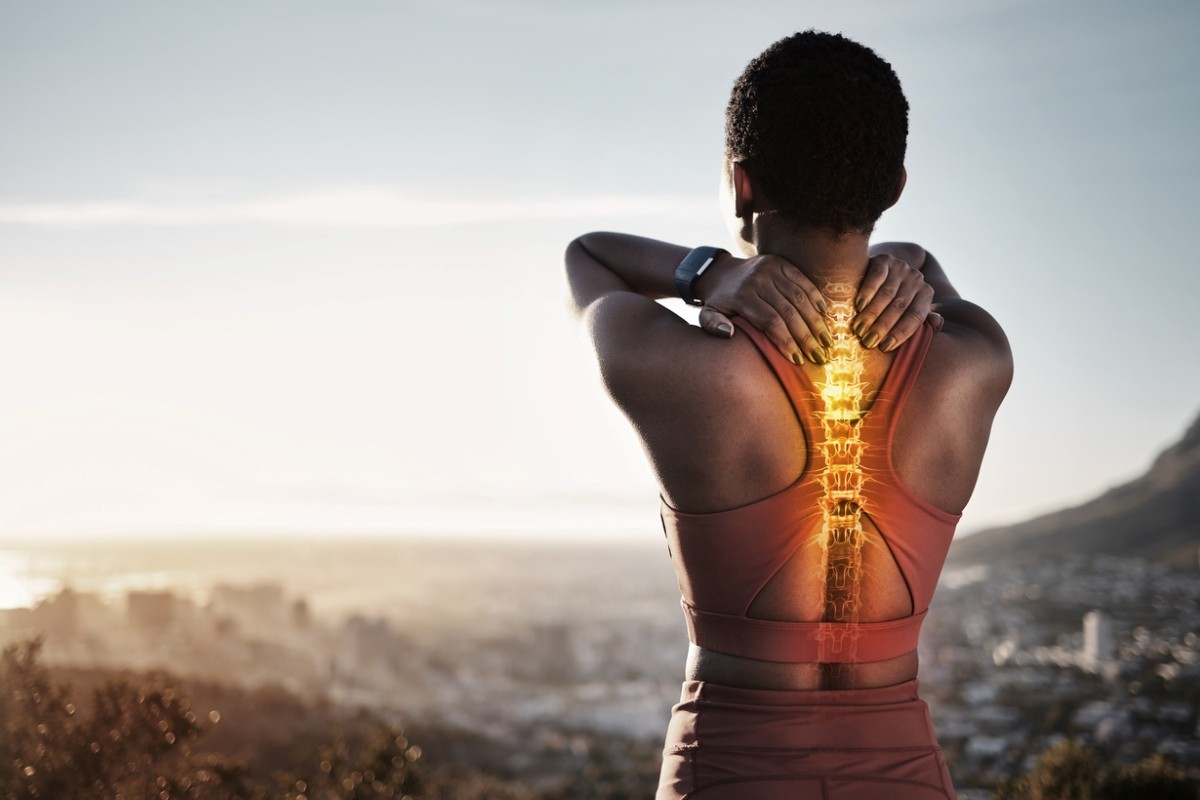
The word osteoporosis literally means “porous bone.” In healthy bones, the tissue is dense and strong. But in someone with osteoporosis, the structure becomes thin and brittle. The most common fracture sites include the spine, hips, and wrists.
Why Are Women at Higher Risk?
Several biological and hormonal factors make women more vulnerable to bone loss than men:
- Lower Peak Bone Mass
Women naturally have smaller, lighter bones than men, meaning they start with a lower reserve.
- Menopause and Estrogen Loss
Estrogen helps protect bone density. When estrogen levels drop during menopause, bone loss can accelerate rapidly, especially in the first 5–10 years after menopause.
- Pregnancy and Breastfeeding
While both are natural parts of life, pregnancy and breastfeeding can temporarily affect calcium levels and bone density.
- Longevity
Women tend to live longer than men, which means more years at risk for age-related bone loss.
These risk factors are part of why bone health must be an ongoing focus throughout a woman’s life.
Risk Factors You Can’t Ignore
In addition to gender and menopause, other factors can increase your risk of developing osteoporosis:
- Family history of osteoporosis or fractures
- History of smoking or excessive alcohol use
- Low calcium or vitamin D intake
- Sedentary lifestyle
- Eating disorders or low body weight
- Certain medications, such as corticosteroids
- Conditions like rheumatoid arthritis or thyroid disease
If you have one or more of these risk factors, it’s important to speak with your healthcare provider about screening and prevention.
Signs and Symptoms
Unfortunately, osteoporosis doesn’t have obvious symptoms. Most women don’t know they have it until they experience a fracture. However, some signs may include:
- A gradual loss of height
- Stooped posture or back pain
- Fractures that occur more easily than expected
Because of the lack of early warning signs, routine screening is essential, especially for postmenopausal women and those with risk factors.
How Bone Density Is Measured
At Complete Care, we recommend bone density testing for women at risk for osteoporosis. The most common and reliable screening tool is called a DEXA scan (Dual-Energy X-ray Absorptiometry). This simple, noninvasive test measures the density of your bones and helps determine your risk of fracture.
We typically recommend bone density screening for:
- Women age 65 and older
- Postmenopausal women under 65 with risk factors
- Women who have had a previous fracture from a minor fall or injury
The results of a DEXA scan help guide decisions about treatment, lifestyle changes, and monitoring over time.
Lifestyle Steps to Strengthen Your Bones
Whether you’re in your 20s or 70s, there are actions you can take to build or preserve bone strength:
Get Enough Calcium and Vitamin D
Calcium builds bones, and vitamin D helps your body absorb it. Good sources include:
- Dairy products
- Leafy greens
- Fortified plant-based milks and cereals
- Safe sun exposure and vitamin D supplements, if needed
Exercise Regularly
Weight-bearing and muscle-strengthening exercises help stimulate bone growth. Examples include:
- Walking or hiking
- Dancing
- Yoga
- Strength training or resistance bands
Avoid Smoking and Limit Alcohol
Smoking and vaping weakens bone tissue and reduces estrogen levels. Excessive alcohol can interfere with your body’s ability to absorb calcium.
Maintain a Healthy Body Weight
Being underweight increases your risk of bone loss and fractures. If you’ve struggled with disordered eating or low body weight, speak with your provider about ways to support bone health safely.
Prevent Falls
Falls are a leading cause of fractures. Reduce fall risk by:
- Wearing supportive footwear
- Removing tripping hazards at home
- Staying active to improve balance and coordination
- Having regular vision and hearing checks
How Complete Care Supports Bone Health
At Complete Care OB/GYN, we take a proactive approach to women’s wellness. Bone health is a key part of our preventive care services, especially for women approaching or navigating menopause.
Here’s how we help:
- Risk assessments during annual exams
- DEXA scan referrals when appropriate
- Hormone management to support estrogen levels in menopausal women
- Nutritional counseling and lifestyle recommendations
- Collaboration with primary care and specialists if medication or additional support is needed
Bone loss may be silent, but the effects can be life-altering. That’s why we aim to catch early signs, educate our patients, and offer personalized strategies for strong, healthy bones, no matter your age.
When to Talk to Your Provider
You don’t have to wait until menopause to start thinking about your bones. We encourage you to speak with your provider if:
- You’ve recently entered menopause
- You’ve had a fracture or loss in height
- You have a family history of osteoporosis
- You’re concerned about your calcium or vitamin D intake
- You’re unsure whether you need a bone density test
Being proactive today can help prevent serious complications down the road.
Prioritize Your Bone Health
Your bones are the framework of your body. At any point in your life, whether you’re building peak bone mass in your 20s or managing postmenopausal health, our team at Complete Care is here to support you.
To learn more about your bone health or schedule a screening, book an appointment with Complete Care OB/GYN today.