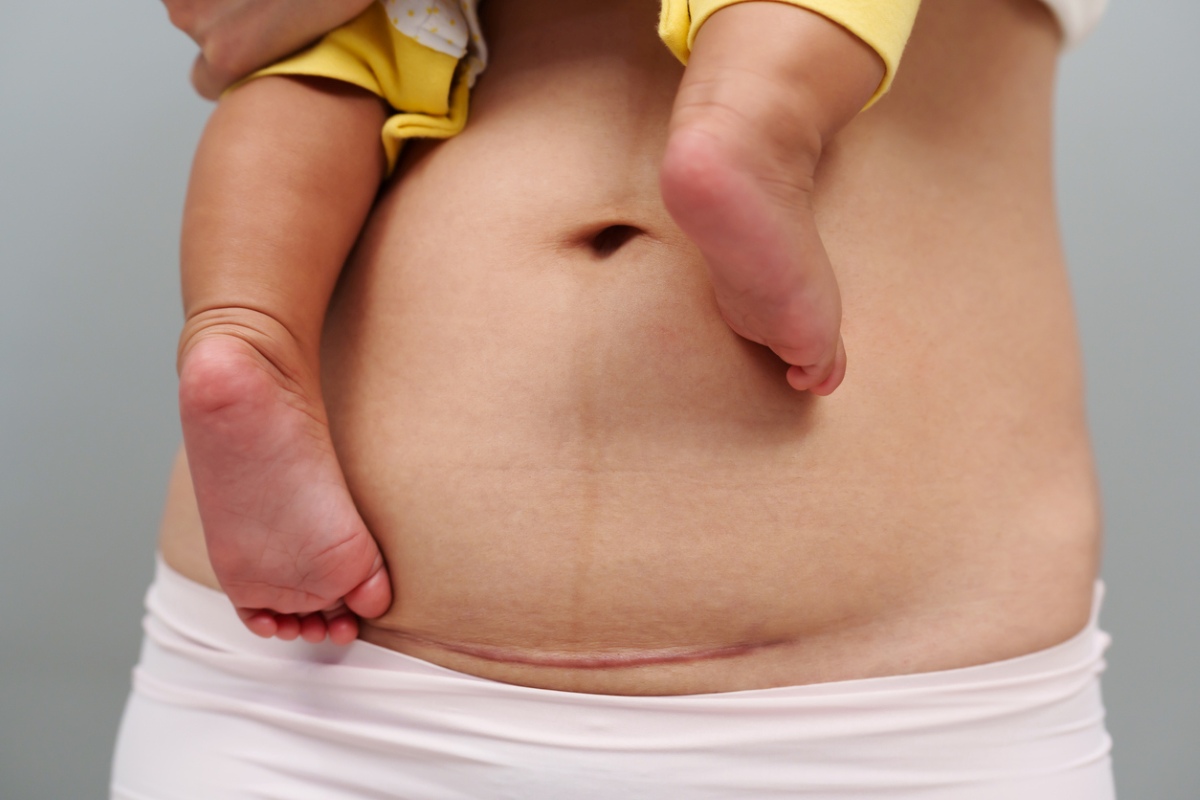
If you’ve had a cesarean delivery in the past, you might be wondering whether you can deliver vaginally with your next pregnancy. The answer for many women is yes. A vaginal birth after cesarean, commonly called VBAC, is when you deliver your baby through the birth canal after a previous C-section.
VBAC has become a safe and well-supported option for many pregnant women. But it’s not the right fit for everyone. Understanding who qualifies, what the benefits and risks look like, and what to expect during labor can help you feel more confident about the decision.
Who May Be a Good Candidate for VBAC
Not every woman who has had a C-section will be a candidate for VBAC, but many are. Your provider will look at several factors when helping you decide. Women who had a low transverse (horizontal) uterine incision during their previous cesarean are generally the best candidates. Having had a successful vaginal delivery before, either prior to or after a C-section, also works in your favor.
Other things your provider will consider include how many cesarean deliveries you’ve had, the reason for your previous C-section, how much time has passed between pregnancies, and whether you have any current pregnancy complications. Women carrying multiples or those who have had a classical (vertical) uterine incision are typically not recommended for VBAC due to a higher risk of uterine rupture. Complete Care OB/GYN offers VBAC counseling to help you understand your specific options.
Benefits of Choosing VBAC
There are advantages to a successful vaginal delivery after cesarean. Recovery time is usually shorter compared to a repeat C-section, and most women experience less pain afterward. You’ll likely spend less time in the hospital and can return to your normal routine sooner.
Undergoing a VBAC also avoids the risks that come with major abdominal surgery, including infection, blood clots, and complications from anesthesia. For women planning to have more children in the future, a successful VBAC can reduce the risks associated with multiple cesarean deliveries, such as placenta complications and scar tissue buildup.
Understanding the Risks
The most talked-about risk of VBAC is uterine rupture, which is when the scar from your previous C-section tears during labor. This is rare, happening in less than 1% of VBAC attempts, but it is serious and requires emergency surgery. That’s why VBAC labors are closely monitored in a hospital setting where an operating room is available if needed.
There’s also a small chance that a planned VBAC may not progress as expected, and an unplanned C-section could become necessary during labor. While this can feel discouraging, it doesn’t mean the attempt was a failure. Many women and their providers agree that a trial of labor is still worthwhile even when the outcome isn’t certain.
Close Monitoring During Labor
If you and your provider decide VBAC is a good option, your labor will be watched more closely than a typical vaginal delivery. Continuous fetal monitoring is standard, so your care team can track your baby’s heart rate and watch for any signs of distress. Your contractions will also be monitored to make sure labor is progressing safely.
Your provider will be prepared to move quickly if anything changes. Having a plan in place for both a successful vaginal delivery and a possible cesarean gives many women peace of mind going into labor. Discussing these details during your prenatal care visits helps ensure everyone is on the same page.
Addressing Common Fears
It’s completely normal to feel nervous about attempting a VBAC. Some women worry about the pain of labor after previously having a scheduled C-section. Others feel anxious about uterine rupture or the possibility of needing another cesarean anyway.
These concerns are valid, and talking through them with your provider is one of the most helpful things you can do. Many women who were initially unsure about VBAC end up feeling empowered by the experience, regardless of the outcome. The goal is always a safe delivery for both you and your baby.
Making the Decision With Your Provider
Choosing between a VBAC and a repeat cesarean is a personal decision, and there’s no single right answer. What matters most is that you have all the information you need and a care team you trust. Starting a conversation about your delivery preferences during pregnancy care is a good first step.
If you’re pregnant after a previous C-section and want to explore whether VBAC might be right for you, schedule an appointment with Complete Care OB/GYN. Our providers can review your history, talk you through the options, and help you create a delivery plan that fits your goals. Call (702) 213-5601 or visit completecareobgyn.com to request an appointment.