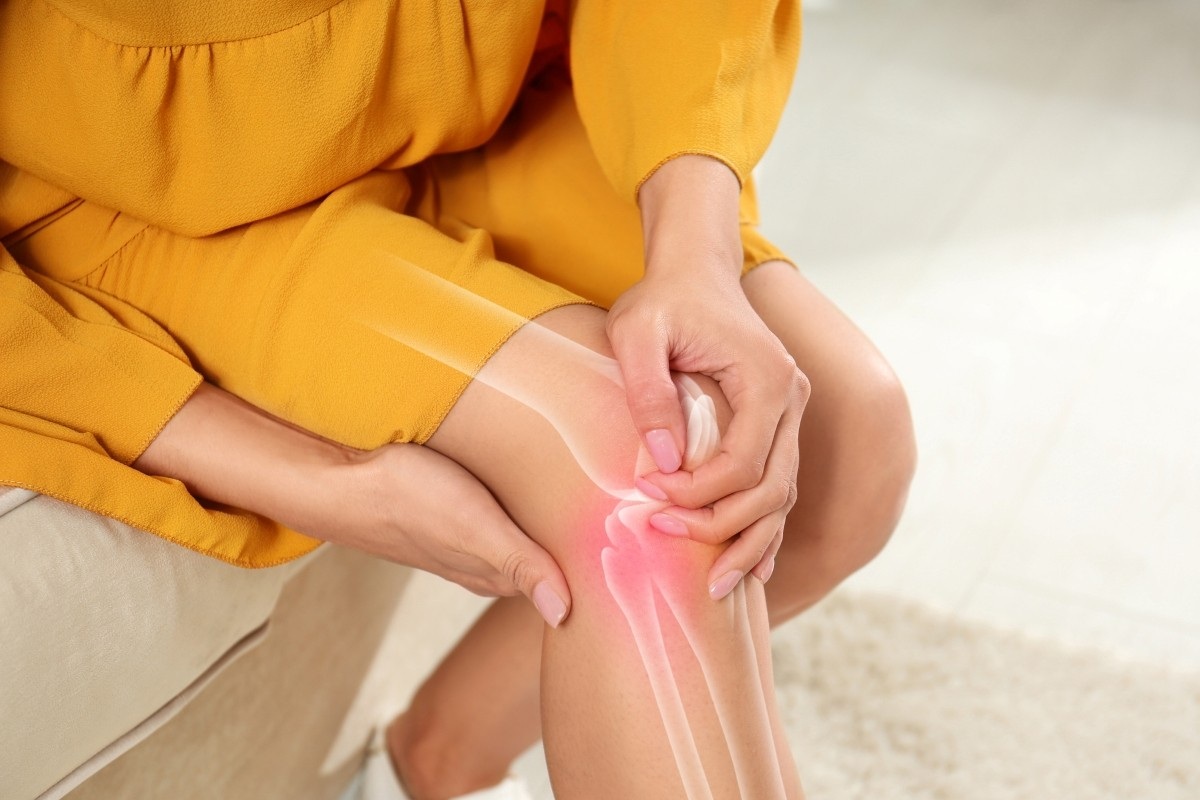
Bone loss is a gradual condition where bone tissue dissolves faster than the body builds new bone. For women, this process speeds up significantly during the years around menopause, when estrogen levels drop. Estrogen plays a key role in protecting bone density, so when it declines, bones can become thinner and more fragile. The good news is that bone health is something you can support at every age, with clear steps you can take to keep your bones strong throughout your life.
Building Strong Bones in Your 20s and 30s
Your bones reach their peak strength in your late 20s. The habits you build in your younger years really do set the stage for the rest of your life. During this time, your body is still adding bone tissue, and the goal is to build as much bone mass as possible.
Calcium and vitamin D are the two most important nutrients for bone development. Aim for foods like dairy products, leafy greens, sardines, and fortified cereals. Vitamin D helps your body absorb calcium, and you can get it from sunlight, fatty fish, and supplements when needed. Weight-bearing activities such as walking, jogging, dancing, and resistance training also help your bones grow stronger.
What Happens to Bones After 40
Starting in your 30s, your body begins to rebuild bone more slowly than it breaks it down. By the time you reach your 40s, this shift becomes more noticeable. Once you enter perimenopause and menopause, the drop in estrogen causes a faster rate of bone loss. Research shows women can lose up to 20 percent of their bone density within the first five years after menopause.
This loss often happens without any symptoms, which is why osteoporosis is sometimes called a silent condition. Many women do not know they have weakened bones until they break one. Staying ahead of bone loss before fractures happen is one of the best things you can do for your long-term health.
Lifestyle Habits That Protect Bone Density
You can do a lot to slow bone loss through everyday choices. Regular weight-bearing exercise, including walking, strength training, and stair climbing, helps maintain bone strength as part of overall wellness. Resistance training also builds muscle, which supports your skeleton and lowers your risk of falls.
A balanced diet rich in calcium and vitamin D continues to matter at every age. Adults generally need around 1,000 to 1,200 milligrams of calcium per day, depending on age and life stage. Smoking and heavy alcohol use both speed up bone loss, so cutting back is beneficial.
When to Get Screened
A bone density test, also called a DXA scan, measures how strong your bones are. It is a simple, painless test similar to an X-ray. Most women should have a baseline bone density screening by age 65, but you may need one sooner if you have risk factors such as:
- A family history of osteoporosis or hip fracture
- A previous bone fracture as an adult
- Low body weight
- Long-term use of certain medications such as steroids
- Problems with nutritional absorption, such as those caused by celiac disease
- A history of smoking
If your scan shows low bone density, your provider can help you build a plan to slow further loss and reduce your risk of fractures.
Treatment Options That Help
When lifestyle steps alone are not enough, several treatments can support bone health. Hormone therapy is sometimes used around the start of menopause to help with bone loss along with other symptoms of the menopause transition. Non-hormonal medications such as bisphosphonates are designed to slow bone breakdown and reduce fracture risk. Newer options, including injectable medications, can help in cases of severe bone loss. Your provider will look at your full medical picture to find the right option for you.
Protect Your Bones at Every Stage
Bone health is not just a concern for older women. Every decade gives you a chance to either build bone, maintain it, or slow its loss. If you are noticing menopause symptoms, have a family history of osteoporosis, or simply want to know where your bone health stands, this is a great topic to raise at your next well-woman visit.
To schedule an appointment with Complete Care ObGYN, call (702) 213-5601 or request a visit online.