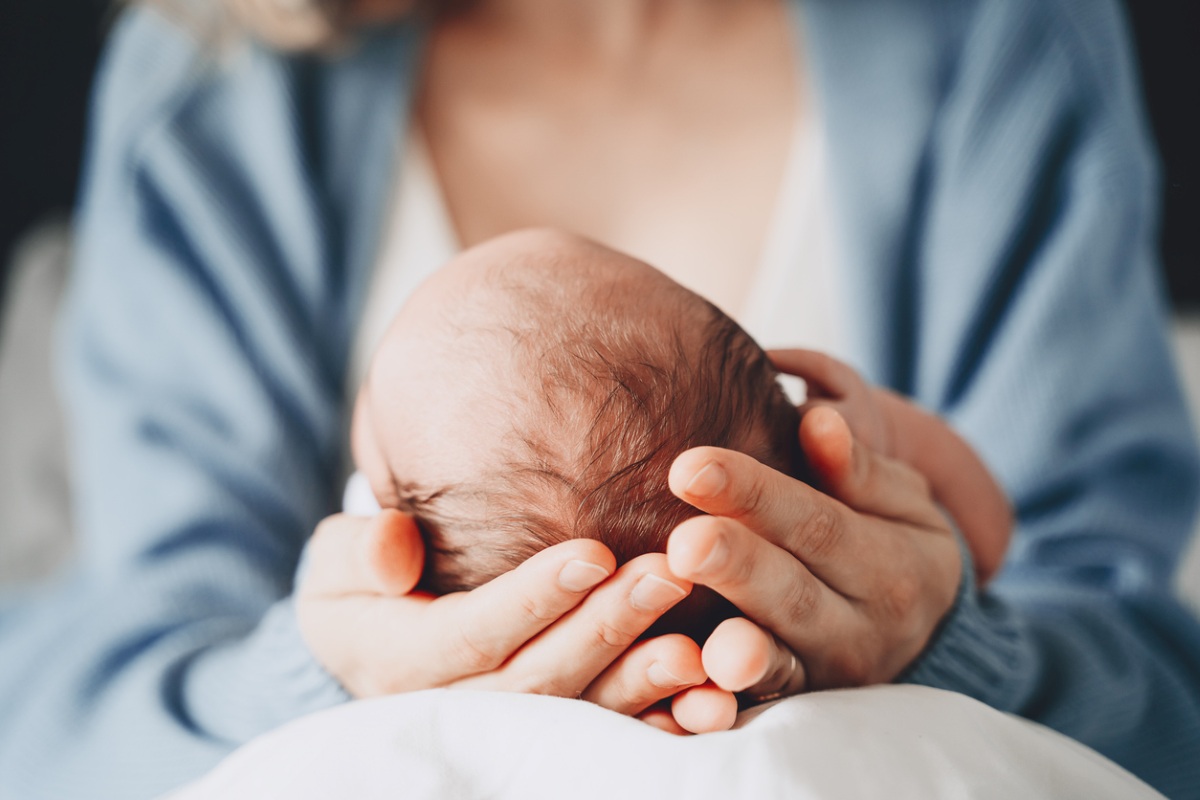
Bringing a baby into the world is a powerful experience. But once the excitement of birth begins to settle, many new mothers are surprised by how challenging the recovery period can be, physically, emotionally, and mentally.
There’s no single “normal,” but there are patterns and symptoms we expect to see. This guide can help you understand what to anticipate, what’s part of the typical healing process, and when it’s time to reach out for medical support.
What Is the Postpartum Period?
The postpartum period begins right after delivery and typically lasts about six weeks, though full recovery can take several months. During this time, your body is healing from pregnancy and childbirth, your hormones are adjusting, and you’re learning to care for a newborn; all at once.
Recovery doesn’t happen overnight. It’s a gradual process that deserves time, rest, and support. While some symptoms improve quickly, others take more patience and care.
Physical Recovery After Birth
Your body goes through significant changes after childbirth. Some symptoms are expected, but others may need a closer look. Here’s what most women experience during postpartum recovery:
- Vaginal Bleeding (Lochia)
It’s normal to have bleeding and discharge for up to six weeks after delivery, even if you had a C-section. The flow may be heavy and bright red for the first few days, then gradually become lighter and pink or brown in color.
Call your provider if:
- You’re soaking through a pad in under an hour
- You pass large clots (larger than the size of a quarter)
- The bleeding suddenly becomes heavy again
- Uterine Cramps
As your uterus shrinks back to its pre-pregnancy size, you may feel cramping, especially during breastfeeding. These are called afterpains and are a sign that your uterus is healing.
- Perineal Soreness or Stitches
If you had a vaginal birth, especially with a tear or episiotomy, you’ll likely have soreness for a few weeks. Ice packs, sitz baths, and numbing sprays can help with comfort, especially in the postpartum period.
- C-Section Recovery
A cesarean birth involves abdominal surgery, so recovery takes time. Most women stay in the hospital for a few days and may need several weeks to regain strength. Keep your incision clean and dry, and avoid heavy lifting.
Call your provider if:
- Your incision becomes red, swollen, or you feel intense internal pain
- You develop a fever
- There’s any fluid or odor from the wound
- Breast Changes
Breasts often become swollen and tender when your milk comes in, typically a few days after delivery. This can cause discomfort, especially during feedings.
To manage it:
- Nurse or pump regularly
- Apply warm compresses before feeding and cold packs afterward
- Wear a supportive bra
Let your provider know if you experience hard lumps, redness, or fever, which could indicate mastitis.
Emotional Health and Hormonal Shifts
The postpartum period is not just a physical recovery. Hormones fluctuate significantly after birth, which can affect your mood, energy, and emotional well-being.
- Baby Blues
Up to 80% of new mothers experience the “baby blues:” feelings of sadness, irritability, or overwhelm that usually begin a few days after birth and last about one to two weeks.
These feelings are normal and often improve with rest, support, and reassurance.
- Postpartum Depression
When emotional symptoms are more intense or last longer than two weeks, it could be postpartum depression. Signs include:
- Feeling hopeless, anxious, or unable to bond with your baby
- Changes in appetite or sleep
- Difficulty concentrating
- Thoughts of self-harm or harming the baby
If you experience these symptoms, it’s important to speak with your provider immediately. You’re not alone, and help is available.
- Postpartum Anxiety or OCD
Some women experience excessive worry, panic attacks, or obsessive thoughts. These conditions are treatable and worth discussing with your care team.
What’s Normal and What’s Not
Here’s a quick breakdown of what you can expect in the first six weeks, and when to call your provider:
| Symptom | Likely Normal | Call Your Provider If… |
| Vaginal bleeding | Lightens over time | Heavy bleeding or large clots |
| Perineal pain | Mild to moderate, improves with time | Severe pain, foul odor, or swelling |
| C-section recovery | Gradual healing over 4–6 weeks | Fever, redness, or discharge at incision site |
| Mood changes | Brief sadness or tearfulness (baby blues) | Persistent sadness, anxiety, or mood swings |
| Breast discomfort | Temporary engorgement, tenderness | Hard lumps, fever, or redness |
| Urination and bowel issues | Slight delays or discomfort | Pain, burning, or incontinence |
| Fatigue | Common in the first few weeks | Extreme exhaustion that interferes with care |
When in doubt, call your provider. It’s always better to check in than to wait and worry.
Supporting Your Body During Recovery
There’s no secret formula for healing after childbirth, but a few basic steps can make a big difference:
- Rest when you can: Sleep is limited, but even short naps can help your body recover.
- Eat nourishing meals: Your body needs extra nutrients to heal and, if you’re breastfeeding, to produce milk.
- Stay hydrated: Water supports recovery, energy, and milk supply.
- Accept help: Let others assist with meals, laundry, or errands so you can focus on healing.
- Move gently: Light walking helps with circulation and boosts mood, but avoid heavy lifting or strenuous activity until cleared by your provider.
The Role of Your Postpartum Visit
At Complete Care, we schedule a postpartum checkup within six weeks of delivery. This visit gives us a chance to check your physical recovery, discuss emotional health, and address any lingering concerns.
During this visit, we may:
- Examine any incisions or stitches
- Discuss birth control and future family planning
- Review mood and mental health
- Answer your questions about breastfeeding, intimacy, or returning to exercise
We’re also here to listen. Whether you had a straightforward birth or an unexpected delivery experience, it’s important to talk about it and feel supported in the process.
You’re Not Alone in This
Postpartum recovery is messy, beautiful, exhausting, and powerful all at once. It’s okay if it doesn’t look how you expected. Every mother heals in her own time, and every recovery is valid.
At Complete Care OB/GYN, we’re here to walk beside you through each step of your postpartum journey. From your six-week visit to long-term gynecologic care, our team is committed to helping you feel confident, cared for, and strong.
If you’re in the postpartum period and have questions or concerns, schedule an appointment with Complete Care OB/GYN. We’re here to support you through recovery and beyond.