If you’ve been told you have fibroids, you’re not alone. Uterine fibroids are one of the most common conditions affecting women during their reproductive years. In fact, it’s estimated that up to 70% of women will develop fibroids by the time they reach menopause.
Fibroids can range from completely unnoticeable to severely disruptive. At Complete Care, we believe in educating our patients so they feel empowered, not overwhelmed. This guide takes a closer look at what fibroids are, why they develop, and how they can be managed with the right care and support.
What Are Fibroids?
Uterine fibroids are noncancerous growths that develop in or on the uterus. They are made of muscle and connective tissue and can vary in size, from as small as a seed to as large as a grapefruit.
Fibroids are also called leiomyomas or myomas, and while they are benign, they can cause a wide range of symptoms depending on their size, number, and location.
Fibroids can form in different parts of the uterus:
- Intramural fibroids grow within the muscular wall of the uterus.
- Submucosal fibroids protrude into the uterine cavity.
- Subserosal fibroids grow on the outer wall of the uterus.
- Pedunculated fibroids are attached to the uterus by a stalk.
What Causes Fibroids?
The exact cause of fibroids isn’t fully understood, but several factors seem to contribute:
- Hormones – Estrogen and progesterone, the hormones that regulate your menstrual cycle, appear to play a major role in fibroid development. Fibroids tend to grow during times of hormonal fluctuation, such as pregnancy, and often shrink after menopause.
- Genetics – Family history matters. If your mother or sister had fibroids, your chances of developing them are higher.
- Race and Ethnicity – Research shows that fibroids are more common, develop earlier, and may be more severe in Black women compared to women of other racial and ethnic backgrounds. Complete Care is committed to equitable, patient-centered treatment that supports your full range of options.
- Lifestyle and Health Factors – Obesity, a diet high in red meat, alcohol consumption, and lack of vitamin D may also increase fibroid risk. On the other hand, regular exercise and a diet rich in fruits and vegetables may offer some protection.
Symptoms of Fibroids
Some women have fibroids and never know it. Others experience symptoms that interfere with their daily lives. Common signs include:
- Heavy or prolonged menstrual bleeding
- Pelvic pressure or pain
- Frequent urination
- Difficulty emptying the bladder
- Constipation
- Pain during intercourse
- Lower back pain
- Abdominal bloating
- Difficulty getting pregnant
The severity of symptoms often depends on the size and location of the fibroids. Large or multiple fibroids can distort the shape of the uterus and press on nearby organs, but can potentially shrink after menopause due to the natural decline in estrogen.
How Fibroids Are Diagnosed
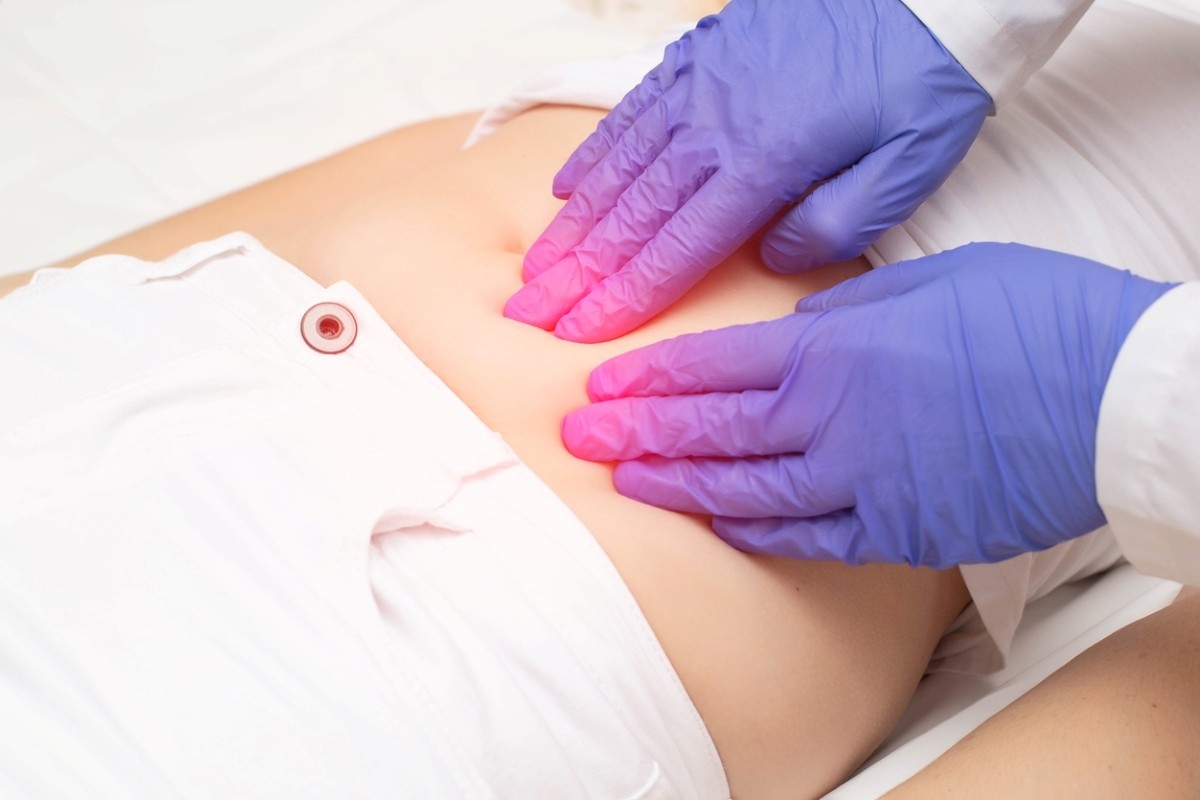
If you’re experiencing symptoms that could be related to fibroids, the first step is a thorough evaluation. At Complete Care, we start by reviewing your symptoms and performing a pelvic exam.
Additional diagnostic tools may include:
- Ultrasound: A noninvasive imaging test to confirm the presence, size, and location of fibroids.
- Saline sonohysterography: An ultrasound with saline solution to better visualize the uterine cavity.
- MRI: Offers a more detailed view if fibroids are large or numerous.
- Hysteroscopy: A procedure using a thin, lighted tube inserted through the cervix to look inside the uterus.
These tests help us determine whether fibroids are present and if they’re the cause of your symptoms.
Do Fibroids Affect Fertility?
Fibroids don’t always interfere with getting pregnant, but in some cases, they can affect fertility or lead to complications during pregnancy.
- Submucosal fibroids can distort the uterine cavity, making it harder for an embryo to implant; closely associated with heavy menstrual bleeding.
- Large fibroids may block the fallopian tubes or change the shape of the uterus.
- Fibroids can also increase the risk of miscarriage or preterm labor in some women.
If you’re trying to conceive and have fibroids, we’ll discuss how they may affect your fertility and explore treatment options that support your reproductive goals.
Treatment Options
There’s no one-size-fits-all treatment for fibroids. At Complete Care, we tailor treatment plans based on your symptoms, age, whether you want to have children, and how close you are to menopause.
- Watchful Waiting – If fibroids aren’t causing significant symptoms, we may recommend regular monitoring to watch for any changes.
- Medications – Several medications can help manage symptoms:
- Hormonal birth control can reduce heavy periods and cramping.
- Gonadotropin-releasing hormone (GnRH) agonists temporarily shrink fibroids by lowering estrogen levels.
- Tranexamic acid may reduce heavy menstrual bleeding without affecting hormones.
These medications don’t eliminate fibroids but can make symptoms more manageable.
- Minimally Invasive Procedures – When symptoms are more severe, we may recommend:
- Uterine fibroid embolization (UFE): A radiology-guided procedure that cuts off the blood supply to fibroids, causing them to shrink.
- Myomectomy: Surgical removal of fibroids, often performed laparoscopically to reduce recovery time.
- Endometrial ablation: Destroys the uterine lining to reduce bleeding, best for small fibroids and not recommended for women who wish to become pregnant, as it significantly reduces the likelihood of a safe pregnancy.
- Hysterectomy – In some cases, particularly when fibroids are large or symptoms are unmanageable, removal of the uterus may be the most effective option. This is considered only when other treatments aren’t successful and pregnancy is no longer desired.
Our team provides detailed counseling on all available options, ensuring that each woman has the information she needs to make the decision that’s right for her.
Life With Fibroids: What to Expect
Living with fibroids doesn’t have to mean living in discomfort. Many women manage their symptoms successfully with the right support and treatment. The most important thing is not to ignore ongoing symptoms or brush them off as “normal.”
If heavy periods, pelvic pain, or other changes are affecting your daily life, let’s talk about it. There are safe, effective ways to manage fibroids, and early treatment can prevent complications down the line.
How Complete Care Supports You
At Complete Care OB/GYN, we take a personalized approach to fibroid care. Whether you’ve just been diagnosed or have been living with symptoms for years, we’re here to listen and help.
We offer:
- Comprehensive gynecologic evaluations
- In-office ultrasounds for diagnosis
- Hormonal management of symptoms
- Minimally invasive surgical options
- Collaborative care planning based on your fertility goals
Our goal is to help you feel better, regain control of your health, and live with confidence.
Let’s Talk About Your Options
Fibroids are common, but you don’t have to manage them alone. If you’re experiencing symptoms or have questions about your diagnosis, we’re here to help.
Schedule an appointment at Complete Care OB/GYN to learn more about fibroids and find the treatment that works best for you.