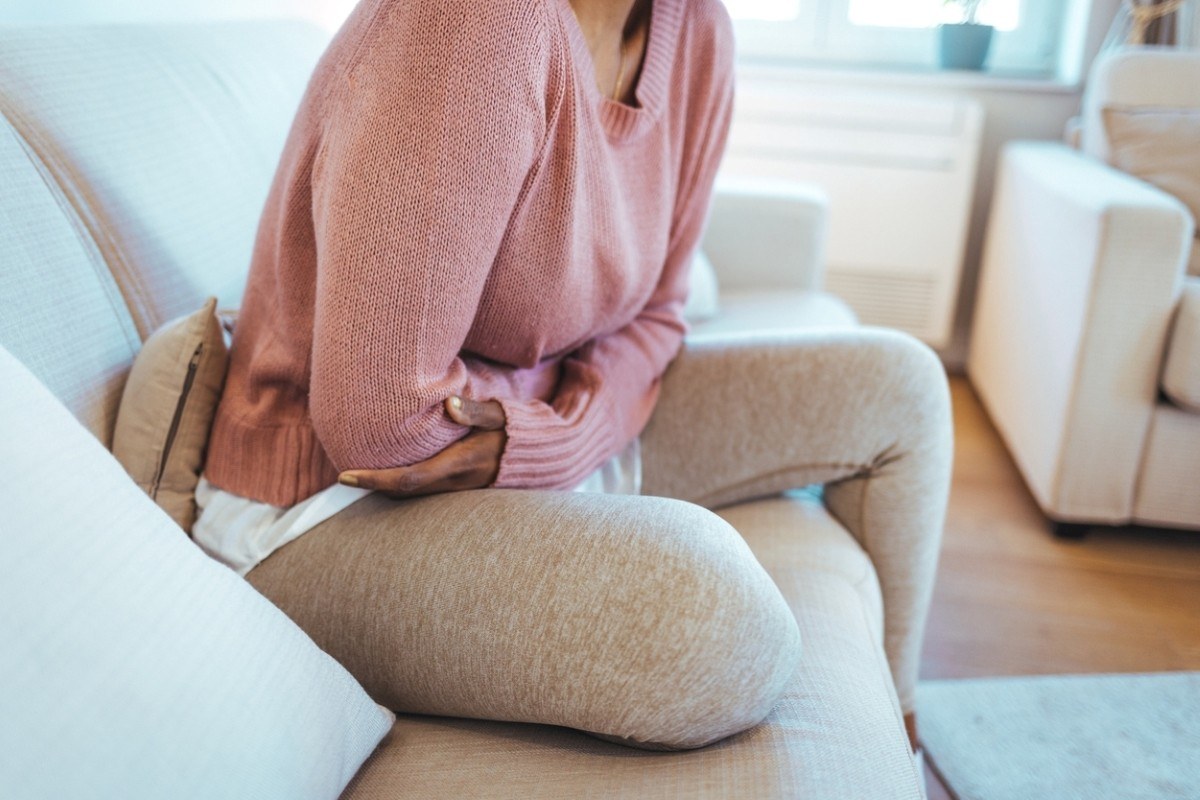
Vaginal dryness is often misunderstood, underestimated, and, for many women, difficult to talk about. Yet it’s an issue that affects women of all ages, not just those going through or after menopause. The discomfort caused by vaginal dryness can affect daily life, intimacy, and self-confidence. But here’s the good news: relief is possible, and you’re not alone.
Whether you’re experiencing it for the first time or have been quietly managing symptoms for a while, this guide can help you understand what’s going on and what you can do about it.
What Is Vaginal Dryness?
Vaginal dryness refers to a lack of natural lubrication in the vaginal tissues. This dryness can lead to symptoms like itching, burning, irritation, and discomfort during sex. In some cases, it may also cause urinary symptoms or even increase the risk of infection.
The vagina is normally kept moist by a thin layer of fluid, supported by healthy blood flow and balanced estrogen levels. When something disrupts that balance, dryness can develop.
It’s Not Just a Menopause Problem
One of the biggest misconceptions about vaginal dryness is that it only affects postmenopausal women. While it’s true that the drop in estrogen during and after menopause is a common cause, women of all ages can experience it.
Some of the most common reasons include:
Hormonal Shifts
- Perimenopause and Menopause: As estrogen levels decline, vaginal tissue becomes thinner, less elastic, and less lubricated.
- Postpartum and Breastfeeding: Hormone levels fluctuate dramatically after childbirth. Estrogen stays low during breastfeeding, which can contribute to vaginal dryness.
- Hormonal Birth Control: Some birth control pills or other hormonal contraceptives may reduce estrogen levels, causing dryness in some women.
Medical Treatments
- Cancer Therapy: Chemotherapy, radiation, and certain medications can affect hormone production and vaginal tissue health.
- Surgical Menopause: The removal of ovaries (oophorectomy) leads to a sudden drop in estrogen levels, often resulting in dryness.
Lifestyle and Health Factors
- Smoking: Nicotine reduces blood flow and affects tissue health.
- Stress: Chronic stress can alter hormone balance and lower libido.
- Certain medications: Antidepressants, allergy medications, and some acne treatments may contribute to dryness as a side effect.
- Low sexual activity: Regular sexual activity can help keep vaginal tissues healthy by promoting blood flow and elasticity.
Common Symptoms of Vaginal Dryness
Vaginal dryness isn’t always easy to identify right away. Some women assume the discomfort is just part of aging or something they have to live with. But paying attention to your body is key. Signs may include:
- A dry, tight, or itchy feeling in the vagina
- Burning or stinging during urination
- Discomfort or pain during sex
- Light bleeding after sex
- Recurring urinary tract infections
- Decreased natural lubrication during arousal
If you notice any of these symptoms, it’s worth bringing them up with your provider. These signs are your body’s way of asking for attention and care.
Why It Matters
Vaginal dryness can affect much more than your physical comfort. For many women, it impacts their sexual relationships, body image, and emotional health. Pain during intimacy can lead to avoidance, anxiety, and even strain in partnerships.
Untreated dryness can also lead to small tears in the vaginal tissue, increasing the risk of infections. In some cases, it may lead to chronic inflammation or discomfort that worsens over time.
It’s important to remember that this is a medical issue, not just a cosmetic or emotional one. Addressing vaginal dryness can restore comfort, confidence, and quality of life.
Treatment Options: What Works
The good news is that there are effective solutions available. At Complete Care, we help women explore their options based on their age, symptoms, health history, and preferences.
Over-the-Counter Moisturizers and Lubricants
- Lubricants are used during sexual activity to reduce friction and make intimacy more comfortable.
- Moisturizers can be used regularly (a few times per week) to restore and maintain vaginal hydration.
These are often a good starting point for mild cases and can provide temporary relief.
Prescription Estrogen Therapy
If dryness is caused by low estrogen, vaginal estrogen may be recommended. This can be delivered as:
- Vaginal creams
- Vaginal tablets
- Vaginal rings
These treatments are localized, meaning they work directly on vaginal tissues with minimal absorption into the bloodstream. They help restore the natural thickness and elasticity of the vaginal walls, improving moisture and reducing discomfort.
Non-Hormonal Prescription Treatments
There are non-hormonal medications approved for vaginal dryness, such as certain selective estrogen receptor modulators (SERMs), which can improve tissue quality without adding estrogen to the body.
Lifestyle Changes and Supportive Measures
- Staying sexually active can help maintain vaginal tissue health.
- Quitting smoking supports circulation and tissue repair.
- Managing stress with techniques like yoga, meditation, or therapy can have a positive effect on overall hormonal health.
- Staying well hydrated and eating a balanced diet rich in omega-3s and antioxidants may also support tissue health.
In-Office Gynecologic Care
Complete Care offers in-depth evaluations and treatment plans tailored to each woman’s unique situation. If over-the-counter solutions aren’t enough or if you’re unsure about what’s causing your symptoms, we can help you find the right path forward.
Myths and Misunderstandings
Myth: Vaginal dryness is only a problem after menopause.
Fact: While menopause is a common trigger, dryness can happen at any age due to many factors.
Myth: It’s just a part of aging.
Fact: Aging may contribute to it, but that doesn’t mean you have to live with discomfort.
Myth: It’s not worth mentioning to your doctor.
Fact: Vaginal dryness is a valid health concern. You deserve to feel comfortable and supported.
Myth: Lubricants solve everything.
Fact: While helpful, lubricants don’t treat underlying hormonal causes. Long-term solutions often involve targeted treatment.
How Complete Care Can Help
We understand that talking about vaginal discomfort can be difficult. If you’re experiencing dryness, we’ll work with you to identify the cause and develop a treatment plan that feels right.
Our services include:
- Gynecologic evaluations and pelvic exams
- Hormonal therapy options
- Menopause management and counseling
- Non-urgical treatments for vaginal and pelvic health
- Supportive care for postpartum and breastfeeding women
Whether your symptoms are new or have been affecting you for years, our team is here to listen and help you find relief.
You Don’t Have to Live with Discomfort
Vaginal dryness isn’t something you just have to deal with. It’s a common and treatable condition that deserves attention and care. The first step is starting the conversation.
If you’re dealing with vaginal dryness or have questions about your symptoms, schedule an appointment with Complete Care OB/GYN. Let’s find a solution that works for you.