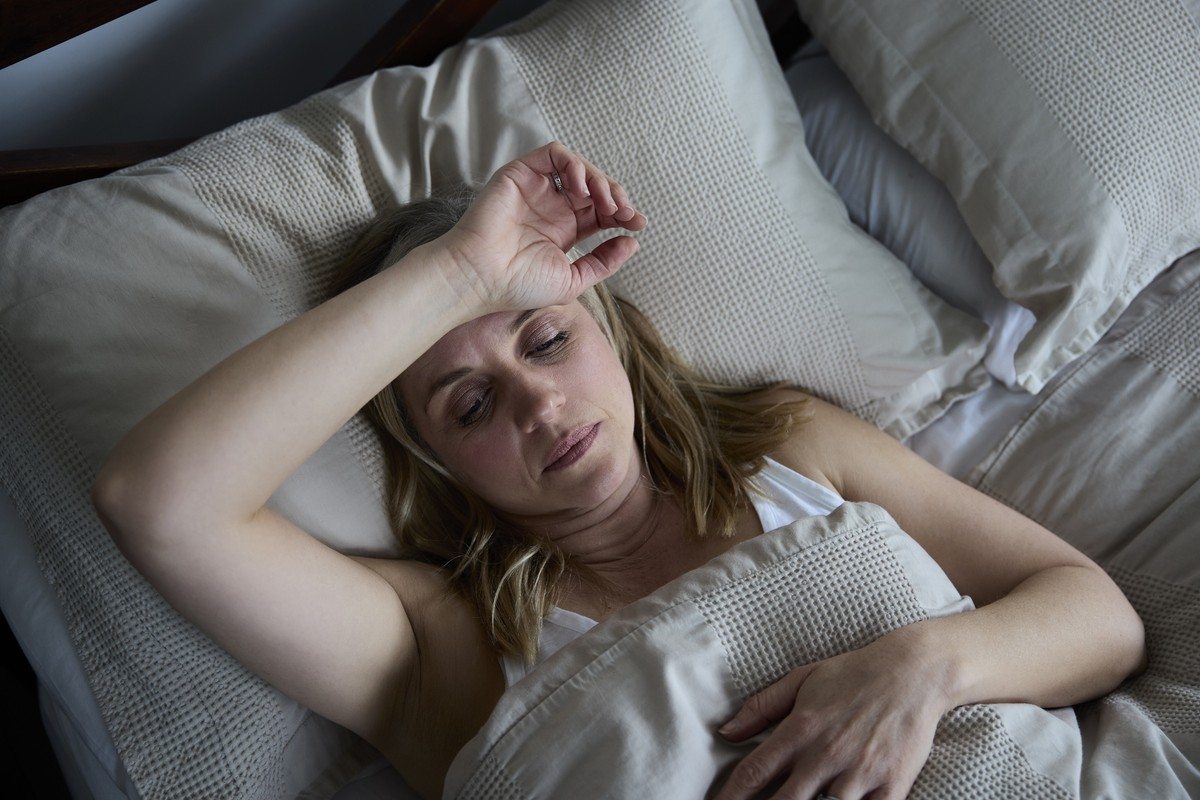
Hormone pellet therapy is a form of hormone replacement that uses small, rice-sized pellets to deliver bioidentical hormones into the body. The pellets are placed just under the skin, usually in the upper hip area, and they slowly release hormones such as estrogen or testosterone over a period of several months. This treatment is designed for women whose hormone levels have dropped due to menopause, perimenopause, or other causes. It helps those who are looking for steady relief from symptoms like fatigue, low libido, hot flashes, and mood changes.
How Hormone Pellets Work
The pellets are made from plant-based sources and are designed to match the hormones your body naturally produces. Once placed under the skin, they release a small, steady amount of hormone into the bloodstream each day. This slow-release method helps avoid the highs and lows that some women experience with pills, patches, or creams.
The insertion takes only a few minutes and is done in the office. A small area of skin is numbed, a tiny incision is made, and the pellet is placed under the skin. Most women return to their normal activities the same day. The pellets dissolve on their own over time, so there is nothing to remove later.
Who Might Benefit From Pellet Therapy
Women dealing with symptoms of hormone imbalance often find pellet therapy a good fit. Common reasons to consider this option include:
- Persistent hot flashes and night sweats
- Low energy that does not improve with rest
- Reduced sex drive or sexual discomfort
- Mood swings, irritability, or anxiety linked to hormone changes
- Brain fog or trouble focusing
Not every woman is a candidate. Your provider will review your medical history, current symptoms, and any past health conditions before recommending pellet therapy. Women with a history of certain cancers, blood clotting disorders, or liver disease may require a different approach.
Pellets Compared to Pills, Patches, and Creams
There are several ways to deliver hormones into the body, and each method has its place. Pills are swallowed daily and are processed through the liver before reaching the bloodstream. Patches stick to the skin and release hormones through the skin, but they need to be changed regularly. Creams are applied to the skin and absorbed, often once or twice a day.
Pellets stand out because they offer continuous delivery without daily effort. Once placed, they keep working in the background for months, as this closer look at pellet therapy explains. This appeals to women who do not want to remember a daily routine. Pellets also avoid the first pass through the liver, which is a benefit for women who cannot take oral hormones.
How Long Does It Take to Get Relief From Symptoms?
Most women begin to notice changes within two to four weeks after insertion. Improvements in energy, mood, and sleep often come first, while changes in libido and other symptoms may take a little longer. Full effects usually settle in by the second month.
Pellets typically last three to five months, depending on your dose, metabolism, and activity level. Women who are more active may metabolize the pellets faster. Your provider will track your symptoms and check hormone levels before each new insertion to adjust the dose as needed.
Common Safety Questions
Pellet therapy is considered safe for many women when used under medical guidance. Mild side effects can include bruising, swelling, or tenderness at the insertion site for a few days. Some women notice temporary changes such as acne, hair growth, or breast tenderness, especially when the dose is being fine-tuned. Like any hormone therapy, pellet therapy carries some risks that depend on your personal health history, which is why a thorough review with your provider matters before starting treatment.
How Providers Personalize Your Dose
Hormone therapy is not one-size-fits-all. Before your first pellet, your provider will likely order blood work to measure your current hormone levels. This baseline helps guide the starting dose. After that, follow-up labs and check-ins help fine-tune the amount of hormone in each pellet so you get the best results with the fewest side effects.
Take the Next Step Toward Feeling Like Yourself Again
If you are dealing with fatigue, mood changes, low libido, or other signs of hormone imbalance, hormone pellet therapy might be worth a conversation. The first step is a visit with a provider who can review your symptoms, run the right tests, and help you decide if this approach fits your needs.
To schedule an appointment with Complete Care ObGYN, call (702) 213-5601 or request a visit online.